Graffiti on stone surfaces can feel like a particularly stubborn assault on your property's aesthetic. The porous nature of stone makes graffiti removal tricky, often leading property owners to use methods that inadvertently cause more harm than good. Finding the right approach is crucial to restore your building's facade without permanent damage, and that's where expertise, like that offered by Taginator, truly shines.
Understanding Stone Surfaces and Graffiti Types
Before attempting any removal, it's essential to understand the material you're working with. Stone, whether it's limestone, sandstone, granite, or brick, is inherently porous to varying degrees. This porosity allows graffiti paint, ink, and pigments to seep into the surface, making removal more challenging than on non-porous materials. Different graffiti types also require different considerations: spray paint often leaves behind a residue, while markers or dyes can stain deeply. Identifying both the stone type and the graffiti medium is the first critical step toward effective and safe removal.
The Pitfalls of Improper Removal Methods
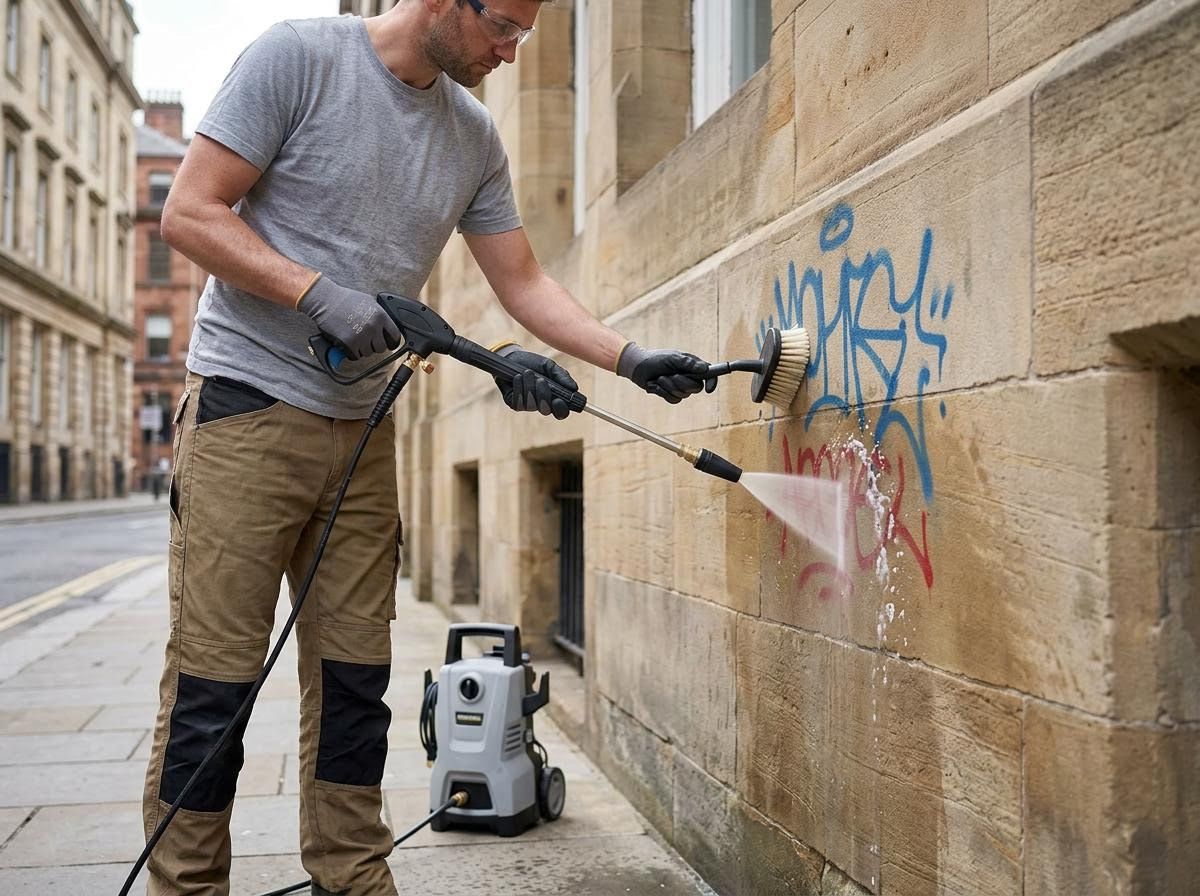
Many property owners, frustrated by vandalism, resort to methods that cause more damage than the graffiti itself. Abrasive techniques like sandblasting or wire brushing can permanently etch or scar stone, altering its texture and compromising its structural integrity. Using high-pressure washers without proper technique can also drive graffiti deeper into the pores or erode the surface. Furthermore, simply painting over graffiti on stone is a temporary fix that often looks worse, as the paint rarely matches perfectly and can trap moisture, leading to further deterioration. These "quick fixes" highlight why knowing how to remove graffiti properly is paramount.
Strategic Steps for Safe and Effective Stone Graffiti Removal
Successfully removing graffiti from stone without damage requires a methodical approach. First, always test any product on an inconspicuous area of the stone to ensure it doesn't cause discoloration or damage. Once compatibility is confirmed, apply the appropriate masonry graffiti remover or stone graffiti remover specifically designed for porous surfaces. Allow the product sufficient dwell time, as indicated by the manufacturer, to break down the graffiti. Agitate gently with a soft brush if necessary, then rinse thoroughly, ideally with a low-pressure wash, ensuring all residue is removed. Repeat the process if needed, rather than opting for a more aggressive approach initially.
Choosing the Right Product for Stubborn Stains
Not all graffiti is created equal, and some stains are simply more stubborn than others. For deeply embedded pigments or particularly resistant graffiti, a specialized heavy duty graffiti remover may be necessary. The key is to find a best graffiti remover that is formulated to penetrate deeply and dissolve the graffiti without harming the underlying stone. These advanced solutions often utilize unique chemical compositions that specifically target graffiti compounds, making quick work of even the toughest vandalism while preserving the integrity and aesthetic of your valuable stone surfaces.
Navigating the complexities of graffiti removal from stone surfaces requires a blend of knowledge, patience, and the right tools. By avoiding common pitfalls and adopting a strategic approach, you can effectively eliminate vandalism while preserving the integrity and beauty of your masonry. When you're ready to tackle even the most stubborn marks, learn more about Taginator's comprehensive range of products, engineered to deliver quick, efficient, and surface-safe results.