Graffiti on brick can feel like a stubborn stain on your property’s reputation, and the urge to remove it quickly is understandable. However, rushing into removal without the right knowledge can turn a temporary nuisance into a permanent problem. We've seen it all, and at Taginator, we believe empowering property owners with the right information is key to tackling vandalism effectively. Avoid these common missteps to ensure your brick surfaces are restored safely and completely.
Don't Just Paint Over It
One of the most frequent and ill-advised reactions to graffiti on brick is to simply paint over it. While this might seem like an immediate solution, it's often a temporary cover-up that leads to bigger issues down the line. Paint doesn't always adhere properly to brick, especially over existing graffiti, and can flake, peel, or become discolored over time, creating an even more unsightly appearance. Moreover, painting over brick can change its natural breathability, potentially trapping moisture and leading to deterioration. This quick fix can also make future graffiti removal more complicated and costly, as you'll have multiple layers to contend with.
Using the Wrong Cleaning Agents
Brick is porous and absorbent, making it highly susceptible to damage from inappropriate cleaning agents. Many people mistakenly reach for strong household bleaches, acidic cleaners, or generic harsh chemicals, thinking they'll blast away the graffiti. However, these can permanently etch, stain, or discolor the brick, weakening its structural integrity or leaving unsightly residues. They can also strip away the natural protective patina of the brick, making it even more vulnerable to future graffiti or environmental damage. Understanding the specific needs of brick and its susceptibility to different chemical reactions is crucial for effective and safe removal. This is where a specialized masonry graffiti remover truly shines.
Incorrect Application Techniques and Equipment
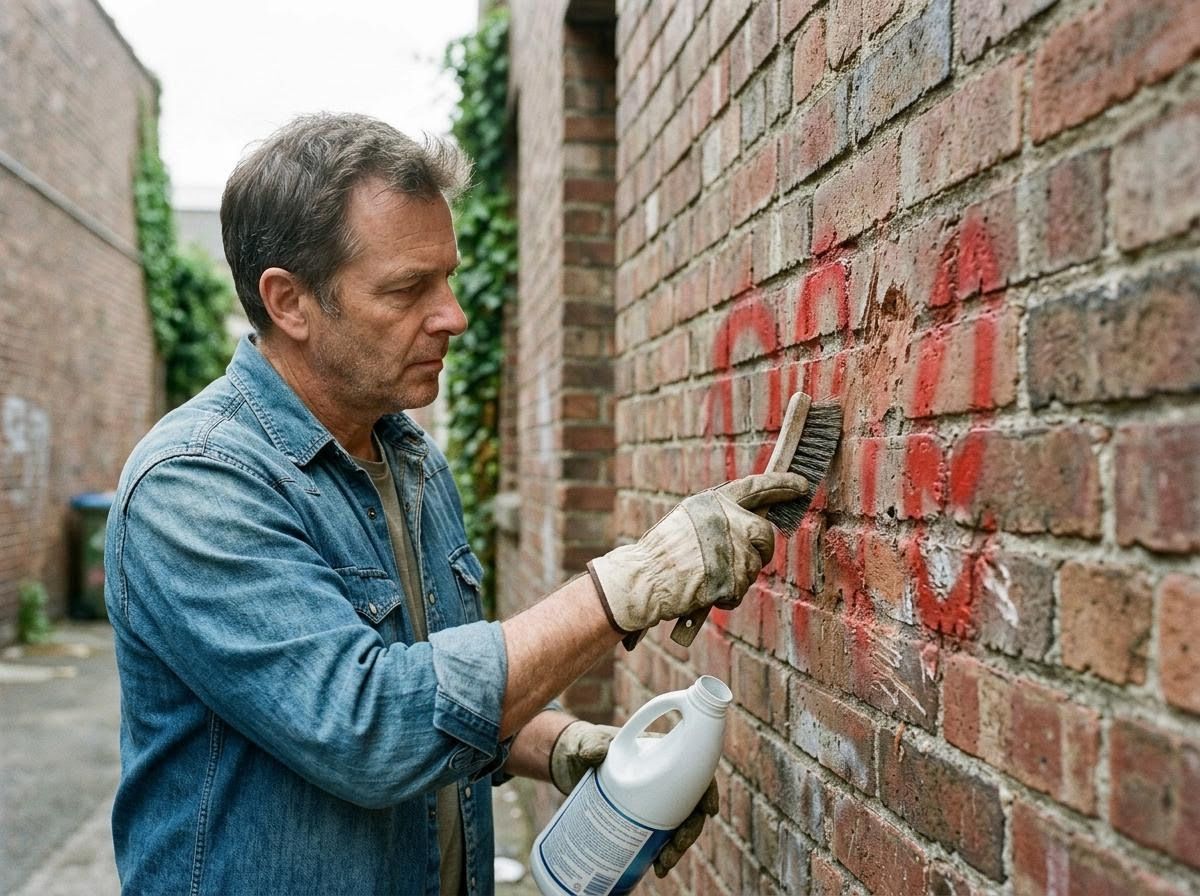
Even with the right product, improper application can cause more harm than good. High-pressure washing might seem like a powerful solution, but it can easily damage the delicate surface of brick, eroding the mortar joints and forcing graffiti pigments deeper into the porous material, making it almost impossible to remove. Similarly, scrubbing too aggressively with abrasive brushes can scratch or scar the brick. The key to how to remove graffiti from brick lies in patience and precision. Always test your chosen product and method on an inconspicuous area first. Allow the cleaner sufficient dwell time to penetrate and break down the graffiti, then rinse gently yet thoroughly, working in small sections to maintain control and prevent streaking.
Neglecting to Identify the Graffiti Type
Not all graffiti is created equal, and assuming a one-size-fits-all approach is a recipe for frustration. The type of paint or marker used can significantly impact the effectiveness of a removal product. For instance, a spray paint tag might require a different approach than a permanent marker or a crayon. Without identifying the graffiti's composition, you might use a product that's too weak, too strong, or simply ineffective, leading to wasted time and potential surface damage. Knowing what you're up against helps you select the best graffiti remover, ensuring you have the right tool for the specific job. Sometimes, a heavy duty graffiti remover is essential for stubborn, deeply embedded marks.
Removing graffiti from brick requires a thoughtful approach, careful product selection, and a commitment to preserving the integrity of the surface. By avoiding the common pitfalls of painting over, using inappropriate chemicals, employing aggressive techniques, and failing to assess the graffiti type, you can ensure a successful and damage-free restoration. For those seeking reliable and powerful solutions for brick and stone surfaces, learning more about professional-grade graffiti removers can make all the difference in maintaining your property’s appearance.