Graffiti can be a persistent and frustrating problem for property owners, often leaving behind unsightly marks that diminish a building's aesthetic and value. The instinct to quickly cover these blemishes is understandable, but choosing the right solution is paramount to effective and lasting removal without causing further damage. This guide will help demystify the world of graffiti removal, offering insights into effective strategies and why a specialized approach, like that offered by TAGINATOR®, outperforms quick fixes.
The Problem with Painting Over Graffiti
Many property managers and owners resort to simply painting over graffiti, believing it’s the quickest and easiest fix. While this might offer temporary concealment, it often leads to a host of other problems. Paint rarely matches perfectly, creating noticeable patches and an uneven finish. More significantly, underlying graffiti can "bleed" through new layers of paint, especially with lighter colors, causing ghosting effects that necessitate multiple coats or more frequent repainting. This cycle of painting becomes costly, labor-intensive, and ultimately, ineffective, often exacerbating the problem rather than solving it. A truly effective solution requires tackling the graffiti directly, rather than just masking it.
Understanding Surface Types and Graffiti Chemistry
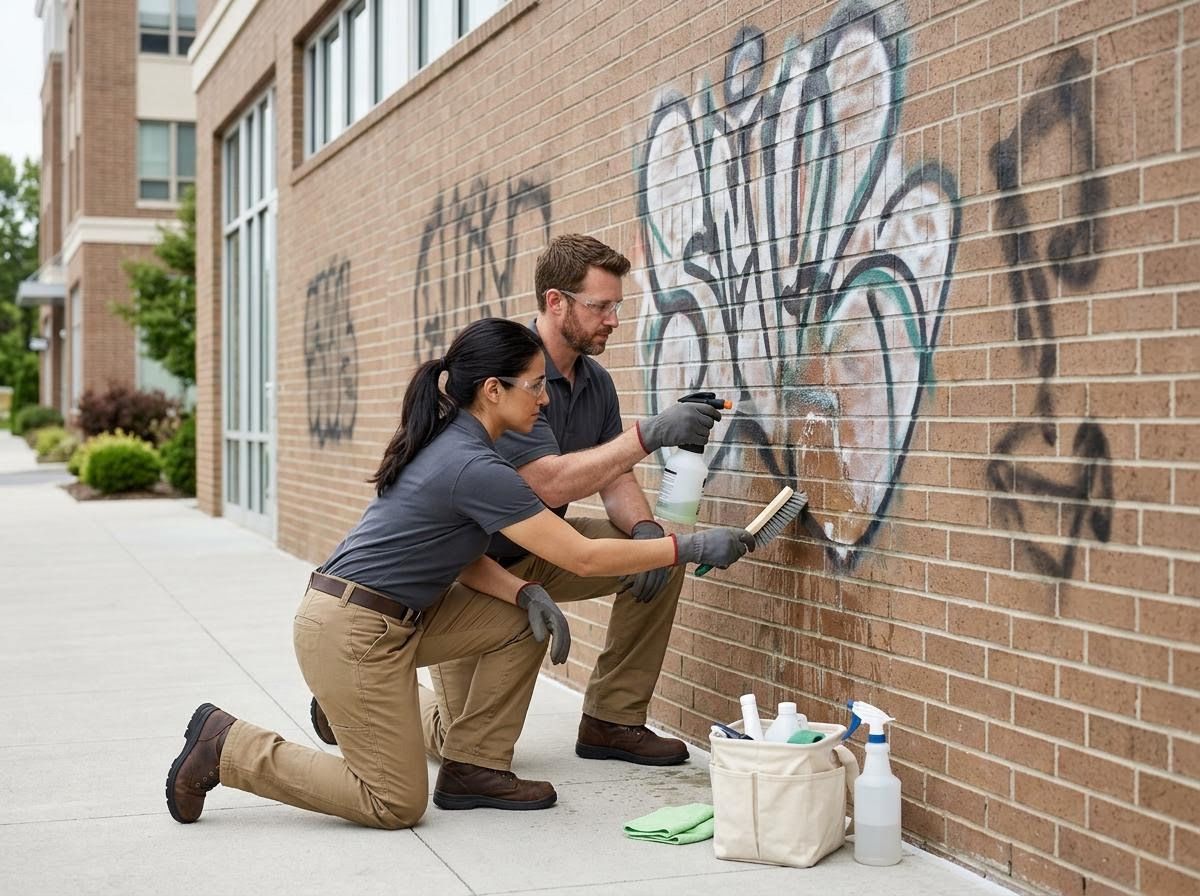
Successful graffiti removal hinges on a clear understanding of both the graffiti medium and the surface it's on. Graffiti can be applied with various materials, from spray paints and permanent markers to inks and chalks, each with distinct chemical compositions. Surfaces, on the other hand, range from porous materials like concrete, brick, and stone to non-porous ones such as metal, glass, and painted surfaces. Porous surfaces absorb graffiti deeply, making removal more challenging, while non-porous surfaces allow the graffiti to sit more on the surface. Using the wrong remover can etch, stain, or permanently damage the underlying material, making the original graffiti look preferable to the botched clean-up attempt.
Choosing the Right Graffiti Remover for the Job
Selecting an appropriate cleaner is crucial for efficient and damage-free removal. For stubborn, deeply embedded tags, a heavy duty graffiti remover is often necessary. These powerful formulas are designed to break down the toughest paints and inks without harming the substrate. When dealing with common porous materials, a specialized masonry graffiti remover or stone graffiti remover is essential. These products are formulated to penetrate the surface and lift the graffiti from within, protecting the integrity of brick, concrete, and natural stone. Knowing how to remove graffiti effectively involves identifying the type of defacement and matching it with the specific best graffiti remover designed for that surface, ensuring clean results and preventing future adhesion.
Graffiti doesn't have to be a permanent blight on your property; with the right knowledge and tools, restoration is entirely achievable. The key lies in understanding the science behind removal and choosing specialized products that respect the integrity of your surfaces. Exploring effective solutions can save you time, money, and the frustration of recurring graffiti problems. To learn more about innovative and highly effective graffiti removal products designed for various surfaces, we invite you to browse our comprehensive product guides.